


Acupuncture
On this page
- What is acupuncture?
- History of acupuncture
- Types of acupuncture
- How does acupuncture work?
- What can acupuncture treat?
- Does acupuncture hurt?
- What happens during a session?
- Is acupuncture safe?
- How to find a qualified acupuncturist
- Frequently asked questions
- References
1. What is acupuncture?
Acupuncture is one of the world's oldest and most widely practised systems of medicine. It involves the insertion of very fine, sterile needles into specific points on the body — known as acupuncture points or acupoints — to regulate the flow of energy and restore balance within the body.
It has been used continuously in East Asia for over 2,500 years to treat a broad range of physical and mental health conditions. In the last thirty years it has become increasingly popular in western countries, where it is used both as a standalone treatment and alongside conventional medicine for conditions including pain, fertility problems, anxiety, stress, insomnia, menopausal symptoms and many others.
The NHS recognises acupuncture as a valid treatment and it is available in many NHS GP practices, pain clinics and hospitals across the UK.
2. History of acupuncture
Acupuncture has been used in the Far East to restore, promote and maintain good health for over 2,500 years. The earliest known written records describing acupuncture date to 198 BCE, discovered in the Ma-Wang-Dui tomb in China, though the practice is likely considerably older than this.
The first needles were made from stone — known as bian stones — and later from bronze, gold and silver. It is thought the practice may have evolved from massage, as practitioners noticed that pressing or stimulating a point on one part of the body produced an effect elsewhere. Over thousands of years, this observation was refined into a complete system of medicine with its own theory, diagnostic methods and treatment principles.
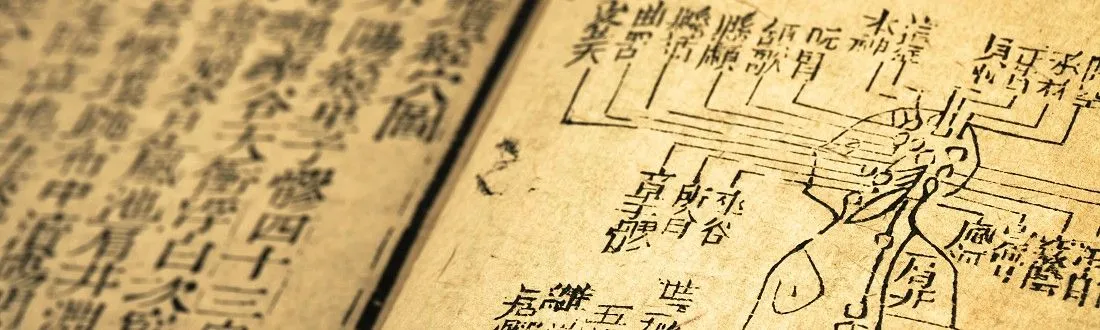
The first known medical textbook was 'The Yellow Emperor's Classic of Internal Medicine' (Huangdi Neijing), dating from around 300 BCE. This foundational text laid out the core theories of traditional Chinese medicine — including yin and yang, the five elements and the flow of qi through meridians — that continue to inform acupuncture practice today.
The system spread throughout East Asia, influencing the development of distinct traditions in Japan, Korea, Vietnam and other countries, each of which adapted and refined the practice over the centuries. It continued to develop without interruption for over 2,400 years, resulting in a comprehensive and sophisticated medical system.
3. Types of acupuncture
There are several distinct styles of acupuncture practised today. They can be broadly divided into traditional styles, which originate from East Asia and are grounded in classical theory, and western medical styles, which are more recent and based on a biomedical understanding of how needling affects the body.
Traditional acupuncture
All traditional styles originate from East Asian countries and share the foundational belief that health depends on the smooth and balanced flow of qi (energy) and blood through the body's meridian system. They use finer needles than western styles and take a holistic view of the patient, considering physical, emotional and constitutional factors together.
The main traditional styles include:
Traditional Chinese Medicine (TCM) acupuncture is one of the oldest and most widely practised forms in the world, with an unbroken lineage stretching back thousands of years. As the country of origin, China has had the greatest influence on the development of acupuncture globally. TCM acupuncture uses a standardised system of diagnosis and point selection based on pattern differentiation.
Japanese acupuncture is as old as Chinese acupuncture and closely related to it, though Japanese practitioners have developed their own distinctive techniques — generally using even finer needles and shallower insertion, with a strong emphasis on abdominal diagnosis and palpation.
Vietnamese acupuncture similarly has roots in classical Chinese acupuncture and has developed its own regional traditions over many centuries.
Five Element acupuncture is a style developed in the West by the Englishman J.R. Worsley, based on classical Chinese five element theory. It focuses particularly on the emotional and constitutional aspects of health. This style is not practised in East Asia and is not recognised in countries where acupuncture is regulated, such as China and Australia.
Stems and Branches acupuncture is based on the cyclical movements of heaven and earth, integrating classical Chinese cosmology and astrology with acupuncture theory. The twelve acupuncture channels correspond to the months of the year, and 365 acupuncture points correspond to the days of the year.
Dr Tan's Balance Method is a form of Chinese acupuncture that builds on classical theory with additional approaches developed by Dr Richard Tan, including elements of Master Tung's acupuncture.
Master Tung's acupuncture is based on a family lineage tradition dating back several hundred years. It uses a different set of acupuncture points from TCM acupuncture, many of them located on the limbs, and is known for producing rapid and powerful clinical effects.
Microsystem acupuncture refers to styles that use a specific, small area of the body to treat the whole — the most well-known being auricular (ear) acupuncture, Korean hand acupuncture and abdominal acupuncture.
Marmapuncture is a related form practised within Ayurvedic medicine from India, which uses marma points — the Indian equivalent of acupuncture points.
Western medical acupuncture
Over the past few decades, physiotherapists, nurses, doctors and other healthcare professionals have increasingly incorporated needling techniques into their practice after completing short training courses. These western styles are based on a more limited biomedical understanding of how needling works and do not incorporate the classical Chinese theories of qi, meridians or holistic diagnosis.
Dry needling (also called trigger point acupuncture) is the most common western style. A needle is inserted directly into a tight or painful muscle — known as a myofascial trigger point — to release the taut muscle band, restore blood flow and reduce pain. It does not use the traditional acupuncture point system and does not exist as a recognised practice in East Asia. Research supports its effectiveness for musculoskeletal pain, particularly neck pain, back pain, shoulder pain and tension headaches. As a practitioner with over twenty-five years of clinical experience, I incorporate dry needling alongside traditional acupuncture where appropriate, drawing on both frameworks to achieve the best outcome for each patient. Learn more about dry needling ›
Western medical acupuncture was developed by medical doctors who believe that acupuncture works purely through its effects on the nervous system, without any role for the classical concepts of qi or meridians.
The key practical distinction for patients is training: traditional acupuncturists typically complete 3,000 to 3,500 hours of training over three to four years, while western-style practitioners may have completed as few as 30 to 300 hours. This has important implications for both the breadth of conditions that can be treated and patient safety.
4. How does acupuncture work?
There are two complementary ways of understanding how acupuncture works — the classical explanation rooted in Chinese medicine theory, and the modern scientific explanation.
Classical Chinese medicine explanation
In traditional Chinese medicine, acupuncture works by regulating the flow of qi (energy) and blood through a network of channels called meridians that run throughout the body. When this flow is disrupted — whether by illness, injury, emotional strain or external factors — it creates imbalance and disease. By inserting needles into specific acupoints along the meridians, the practitioner stimulates a healing response that restores the smooth flow of qi and blood, rebalances yin and yang and supports the body's natural capacity to heal itself.
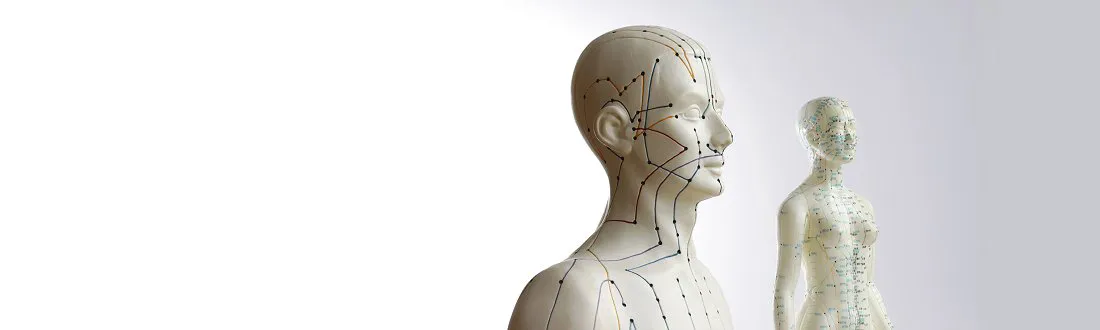
The acupuncture points are distributed across the entire body from head to toe, each connected to others through the meridian network. Stimulating a point in one area can produce a therapeutic effect in a seemingly unrelated part of the body — which is one of the most remarkable and long-observed features of this system of medicine.
Scientific explanation
Modern research has begun to shed light on the mechanisms through which acupuncture produces its effects. The insertion of needles appears to work through several overlapping pathways:
Neurological effects: Acupuncture stimulates the nervous system, triggering the release of neurochemical messengers including endorphins, serotonin, dopamine and GABA. These chemicals reduce pain, lift mood, calm the nervous system and produce the sense of deep relaxation that patients commonly experience during treatment. Research has shown that acupuncture acts on the vagus nerve — a key part of the parasympathetic nervous system — supporting its role in reducing inflammation and promoting recovery.
Hormonal regulation: Acupuncture influences the hypothalamic-pituitary axis, the brain's central hormonal control system. This underlies its effectiveness for conditions involving hormonal imbalance, including fertility, menopausal symptoms and stress.
Anti-inflammatory action: Research has shown that acupuncture has measurable anti-inflammatory effects, reducing levels of pro-inflammatory cytokines and prostaglandins. This helps to explain its effectiveness for conditions driven by chronic inflammation, from arthritis to IBS.
Microcirculation: Acupuncture increases local and systemic blood flow, which speeds tissue repair, reduces muscle tension and improves the delivery of nutrients and oxygen to cells. This is one of the mechanisms underlying its effectiveness for pain and fertility.
The meridian system and modern science: A more recent hypothesis originating in Korea suggests that the meridian system may correspond to the network of primo-vascular channels within the lymphatic system — structures that were missed by early anatomists. If confirmed, this would provide a structural basis for the classical meridian network. The insertion of needles along these channels is thought to stimulate an immune and healing response.
Additional techniques such as electroacupuncture, heat therapy or moxibustion may be used alongside needling during your treatment to enhance the therapeutic effect and support a quicker recovery.
Individual profiles for 39 of the most important acupuncture points — covering location, actions, indications, needling method and clinical notes — are available in the acupuncture points directory.
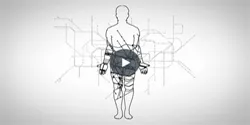
Watch my short animated video, which explains how acupuncture works from both a Chinese medicine and a modern scientific perspective.
5. What can acupuncture treat?
Acupuncture is a complete medical system that has been used to treat a wide range of conditions for thousands of years. In modern practice, it is particularly effective for:
Pain — acupuncture is one of the most extensively researched treatments for chronic pain. It is effective for back pain, neck pain, migraines, headaches, sciatica, frozen shoulder, tennis elbow, plantar fasciitis, nerve pain and many other musculoskeletal conditions. It reduces the need for pain medication and the NHS recommends it for chronic primary pain.
Fertility and reproductive health — acupuncture can improve both male and female fertility, support IVF cycles, regulate the menstrual cycle, treat PCOS, endometriosis and low AMH, and reduce the risk of miscarriage. It is used throughout pregnancy to support maternal health and at 35 weeks to prepare the body for labour.
Mental and emotional health — acupuncture is a safe, effective treatment for anxiety, depression, stress, burnout and insomnia, producing results comparable to antidepressants without the side effects.
Women's health — including menopausal symptoms such as hot flushes and night sweats, irregular periods and hormonal imbalance.
Digestive health and gut problems — acupuncture treats IBS, indigestion and digestive disorders, acid reflux and inflammatory bowel conditions including Crohn’s disease and ulcerative colitis. It is particularly effective when gut problems are driven or aggravated by stress.
Fatigue and low energy — acupuncture and Chinese herbal medicine address persistent tiredness and chronic fatigue syndrome (ME/CFS), including post-viral fatigue following COVID-19 or glandular fever, by restoring Qi, rebuilding constitutional reserves and improving sleep quality.
Chronic health conditions — including fibromyalgia, chronic fatigue syndrome, long COVID, tinnitus, Raynaud's disease, shingles, carpal tunnel syndrome and acne.
There is a growing body of high-quality research published in peer-reviewed journals that supports the use of acupuncture for these and many other conditions. For a full list of conditions treated, visit the health conditions page.
6. Does acupuncture hurt?
In general, no — treatment does not hurt. The needles used in acupuncture are extraordinarily fine, approximately the width of a human hair. Twenty acupuncture needles could fit inside a single hypodermic syringe needle. This is nothing like an injection or blood test.
Most people feel little or nothing when the needle is inserted. Some notice a very brief, mild sensation — described as a tiny prick — as the needle passes through the skin. Once the needle is in place, you may feel a dull ache, a gentle tingling or a subtle warmth around the needle. This sensation, known in Chinese medicine as de qi, is perfectly normal and often indicates that the point has been effectively activated.
Needles inserted into the fingers or toes can feel sharper, as these areas have a higher density of nerve endings. This sensation is momentary and passes within a second or two. Removing the needles is painless.
The experience of acupuncture is typically deeply relaxing. Many patients find themselves drifting into a state of restful calm — sometimes close to sleep — during the twenty to thirty minutes the needles are in place. This response reflects the nervous system shifting from a state of activation into a parasympathetic, restorative state.
7. What happens during an acupuncture session?
Your first session will begin with a thorough consultation. As a practitioner of traditional Chinese medicine, I take a holistic view of your health, so I will ask you about your main complaint, your medical history, your sleep, digestion, energy levels, emotional state and lifestyle. I may also look at your tongue and feel your pulse — both of which provide important diagnostic information in Chinese medicine.
Based on this assessment, I will form a TCM diagnosis and develop a tailored treatment plan. This approach means that treatment is personalised — two people with the same western medical diagnosis may receive quite different acupuncture treatments if their underlying TCM patterns differ.
You will then be asked to lie on a treatment couch. Depending on where the needles are to be placed, you may need to roll up your sleeves and trouser legs or remove an item of clothing. Very fine sterile single-use needles are then inserted into the selected points, typically to a depth of two to forty millimetres depending on the location. The needles are left in place for twenty to thirty minutes, during which you will be able to rest undisturbed. Gentle music is played to support relaxation.
At the end of the session, all needles are removed and placed in a sharps disposal box for clinical incineration. You can return to normal daily activities immediately after treatment. It is common to feel deeply relaxed — and sometimes gently tired — for the rest of the day, as the body begins its healing response.
How many sessions will I need? This depends on the nature and duration of your condition. Chronic conditions that have developed over months or years generally take longer to resolve than acute problems. For most conditions, I recommend an initial course of four to six weekly sessions to assess how you respond, after which frequency is reviewed. Many patients see significant improvement within this timeframe.
8. Is acupuncture safe?
When performed by a properly trained and qualified practitioner, acupuncture is very safe. A large-scale study published in 2009 reviewed over 229,000 acupuncture treatments and found it to be extremely safe. A review of twelve prospective clinical trials covering more than one million treatments estimated the risk of a serious adverse event at just 0.05 per 10,000 treatments — one of the lowest risk profiles of any medical intervention.
The risk increases significantly when acupuncture is performed by practitioners who have completed only short training courses — such as some physiotherapists, osteopaths, chiropractors and sports massage therapists who perform dry needling after minimal study. The serious adverse events reported in the literature are disproportionately associated with these less-trained practitioners.
Is acupuncture safe in pregnancy?
Yes — acupuncture is safe throughout pregnancy when performed by a qualified practitioner who is trained and experienced in treating pregnant women. It can in fact be highly beneficial during pregnancy, supporting the health of both mother and baby, relieving common pregnancy complaints such as morning sickness and pregnancy pain, and at 35 weeks preparing the body for labour.
A qualified practitioner will always avoid placing needles on the abdomen during pregnancy and will not use points that are contraindicated in pregnancy, such as Spleen 6 (Sanyinjiao).
Is acupuncture regulated in the UK?
Acupuncture is not yet statutorily regulated in the UK, which means that anyone — regardless of their level of training — can legally practise acupuncture. This is something I believe should change, and I personally support the statutory regulation of acupuncture and traditional Chinese medicine in the UK.
The British Acupuncture Council (BAcC) is the largest professional body for traditional acupuncturists in the UK and is overseen by the Professional Standards Authority. It requires members to have completed a minimum of 3,000 hours of training. Membership of the BAcC is the best indicator of a fully qualified traditional acupuncturist.
In contrast, western medical acupuncture is governed by existing medical associations such as the GMC, and some insurers will only fund acupuncture from western medical practitioners — despite the fact that these practitioners may have completed far less training than a traditional acupuncturist.
Countries where acupuncture is regulated
Acupuncture is regulated and reserved for qualified practitioners in Canada, Australia, China, Hong Kong, Korea, Japan and Vietnam. In these countries, practitioners must meet specific standards of training before they are permitted to practise.
Does the NHS recognise acupuncture?
Yes, the NHS recognises acupuncture treatment in the UK. It is used in many NHS GP practices, as well as in most pain clinics and hospitals, and is recommended for chronic primary pain.
9. How to find a qualified acupuncturist
Because acupuncture is not regulated in the UK, finding a genuinely well-qualified practitioner requires some care. Here are the most important things to look for:
Membership of the British Acupuncture Council (BAcC): This is the most reliable indicator of a fully trained traditional acupuncturist in the UK. BAcC members have completed a minimum of 3,000 hours of study — equivalent to a three-year degree — covering acupuncture theory, diagnosis, practical technique, anatomy, physiology and clinical safety. You can verify BAcC membership on the BAcC website.
Membership of the Register of Chinese Herbal Medicine (RCHM): If you are also seeking Chinese herbal medicine, look for practitioners who are also registered with the RCHM, which has its own rigorous training and safety standards.
Training hours: Ask your practitioner how many hours of training they have completed. Traditional acupuncturists train for 3,000 to 3,500 hours. Western-style practitioners — including dry needling physiotherapists — may have completed as few as 30 to 300 hours, which is insufficient to practise safely across the full range of conditions.
Experience: Look for a practitioner with experience in the specific area you are seeking treatment for. Fertility acupuncture, for example, requires specialist knowledge of reproductive medicine in addition to general acupuncture training.
I am a member of the British Acupuncture Council and the Register of Chinese Herbal Medicine (RCHM), and have over twenty-five years of clinical experience. I practise at my clinic in Wokingham, Berkshire.
Training to become an acupuncturist
The time it takes to train in the different styles of acupuncture varies greatly — from as little as 30 hours for western dry needling, to 3,500 hours for a full traditional acupuncture qualification.
10. Frequently asked questions
How often should I have acupuncture?
For most conditions, I recommend weekly sessions initially. As your condition improves, the frequency can be reduced to fortnightly and then monthly maintenance sessions. Some acute conditions may resolve within four to six sessions; chronic conditions often benefit from a longer course of treatment.
How quickly will I notice results?
Many patients notice a positive response after their first or second session, though for chronic conditions that have developed over months or years, improvement is typically more gradual. I usually ask patients to commit to an initial course of four to six sessions to allow a proper assessment of their response.
Can I have acupuncture alongside other medical treatments?
Yes. Acupuncture is generally very compatible with conventional medical treatment and other complementary therapies. Always inform both your acupuncturist and your doctor or other healthcare providers of all treatments you are receiving.
How long does a session last?
An initial consultation and treatment typically takes sixty to seventy-five minutes. Follow-up treatments last approximately forty-five to sixty minutes.
What should I do before and after a session?
Eat a light meal before your appointment — avoid coming on an empty stomach. Wear loose, comfortable clothing. After treatment, drink plenty of water, avoid alcohol and try to rest. Avoid strenuous exercise on the day of treatment.
Does acupuncture work for everyone?
Most people respond well to acupuncture, though the rate and degree of response varies. Those who have had a condition for a long time, are taking multiple medications or have complex health situations may respond more slowly. I will give you an honest assessment of your likely prognosis at your initial consultation.
Is private health insurance accepted?
My acupuncture is covered by a wide range of private health insurers. Please check with your insurer before booking.
How much does acupuncture cost?
Full pricing information is available on the treatment prices page. An initial consultation with treatment at my Wokingham clinic is £70; follow-up sessions are £60.















